The Pill Pause: What Happens to Your Skin When You Stop Hormonal Birth Control
The Pill Pause: What Happens to Your Skin When You Stop Hormonal Birth Control
The Pill Pause: What Happens to Your Skin When You Stop Hormonal Birth Control
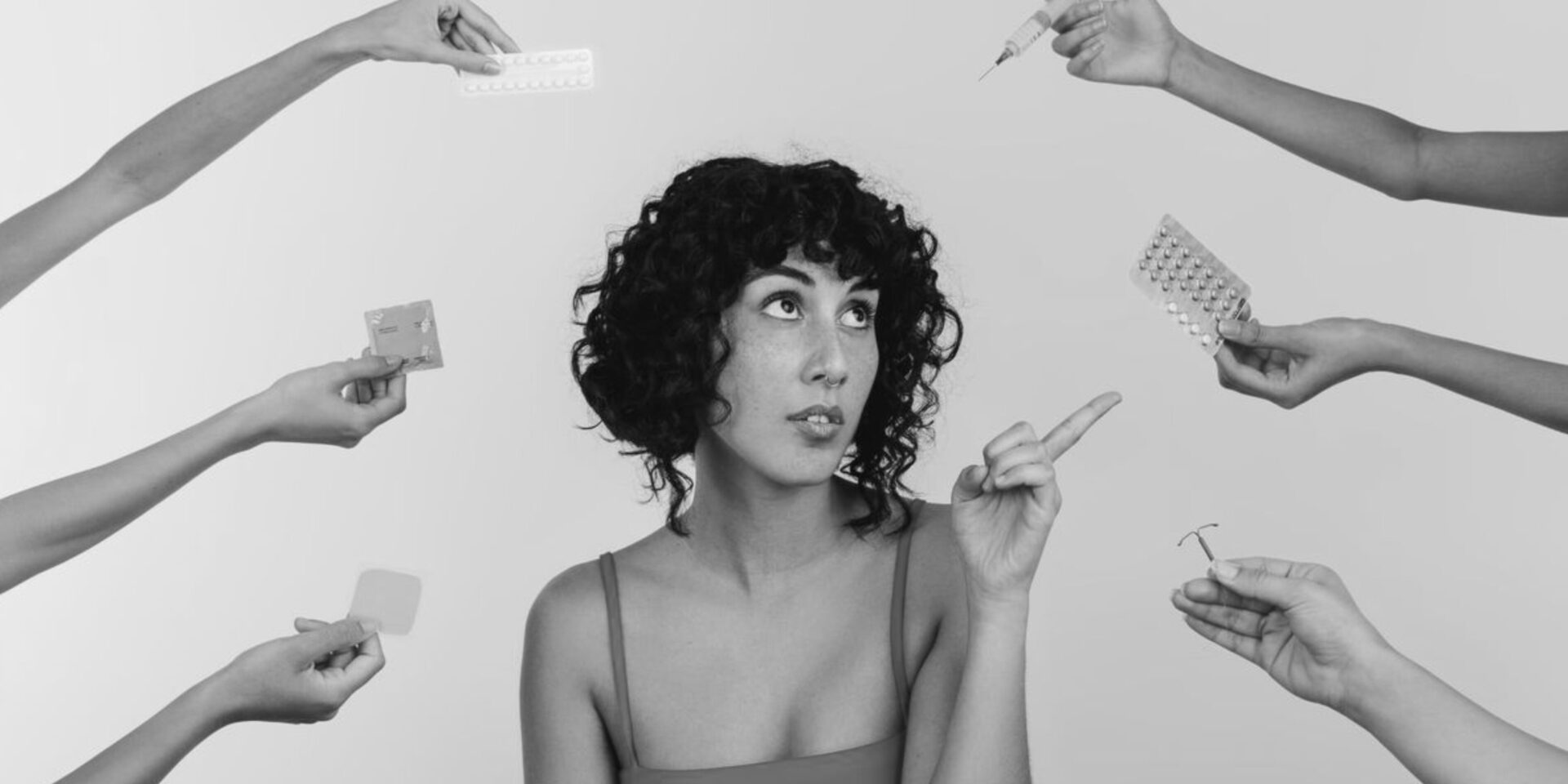
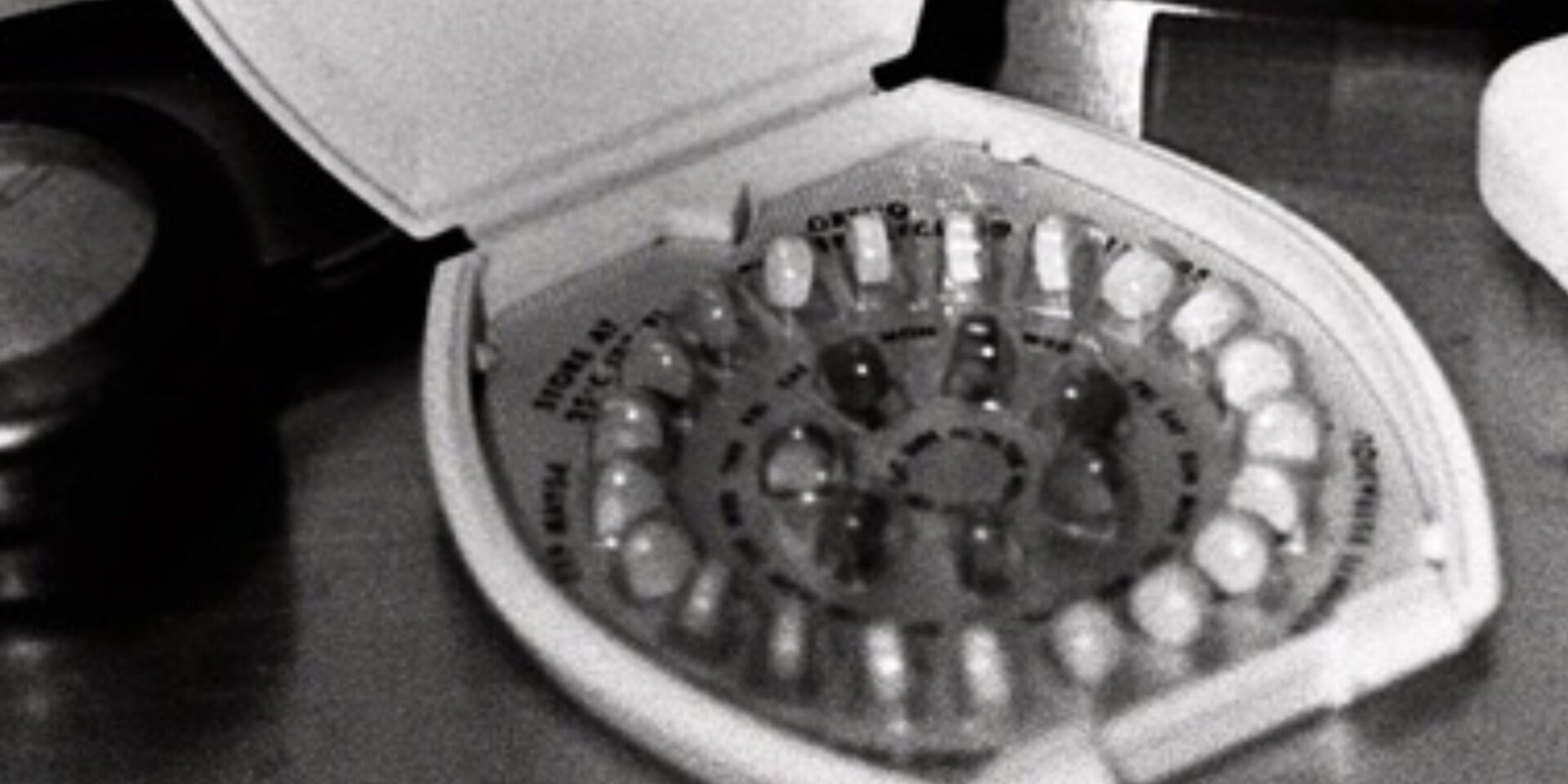
For many of us, the pill wasn’t just contraception—it was a fix.
A patch for painful periods, stubborn acne, PCOS, or mood swings. We went on it young, stayed on it long, and for a while, it worked.
Until it didn’t.
Or until we decided to come off it. And that’s where things can get complicated.
So What Actually Happens When You Stop?
When you stop taking the pill, especially after years or even decades, your body goes through a rebalancing act. The hormones the pill was supplying (or suppressing) are no longer in play, and your natural cycle needs time to re-establish itself.
For some, that shift is smooth. But for many, it’s anything but.
What we often see in clinic is this:
– Breakouts that return with a vengeance, especially around the chin and jawline – Oily skin and congestion you haven’t experienced since your teen years – Dryness or flakiness from overcorrecting with harsh actives – Sensitivity or skin mood swings that mirror your hormones
It’s not uncommon for these changes to show up 4–8 weeks after stopping the pill and linger for several months.
And it’s not your fault.
As Dr. Jolene Brighten, author of “Beyond the Pill”, puts it: “Post-pill acne isn’t a sign your skin is broken. It’s a sign your body is trying to remember how to regulate itself, without synthetic hormones calling the shots.”
What Your Skin Needs During This Transition
First things first: don’t panic.
Your skin isn’t regressing. It’s recalibrating.
At Nicola Quinn, we work with skin through every stage, including this one. Our approach is gentle, strategic, and designed to support your skin through the chaos, not fight it into submission.
Here’s what we recommend:
1. Don’t attack, nourish.
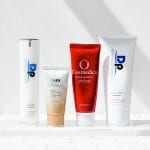
Now’s not the time to layer on aggressive actives. Focus on restoring your barrier with ingredients like niacinamide, ceramides, and hyaluronic acid. O COSMEDICS Medi-Soothe is a go-to here.
2. Treat inflammation, not just oil.
Breakouts post-pill are usually inflamed, not just clogged. Products with salicylic acid, zinc, or gentle retinoids (when suitable) can help reduce breakouts without stripping your skin.
3. Book a professional skin consult.
One of the most valuable things you can do is get a personalised skin plan that supports your skin’s current state, not its past. What worked when you were on the pill might no longer serve you now.
How Long Does It Take to Settle?
On average, we see skin start to calm around the 3–6 month mark, but that depends on your overall health, gut function, and hormone profile.
If your periods don’t return within three months, or if your acne becomes cystic or scarring, speak to your GP, naturopath, or women’s health specialist. You don’t have to wait it out alone.
Final Thought: You’re Not Starting Over
Coming off the pill can feel like a hormonal rollercoaster, and your skin often wears the brunt of it. But this isn’t a backslide. It’s your body learning to lead again, instead of being told what to do.
That deserves support. That deserves care. That deserves more than a one-size-fits-all serum.
If you’re in this phase, we see you. Come in, sit down, and let’s figure out what your skin is asking for now, not what it used to need.
Did you know you can purchase a skin membership that gives you the ability to experience regular skin treatments and receive a year-long discount on skincare?